Green energy solutions ensure durability, cost efficiency, and environmental protection, empowering your business for a more innovative and sustainable future.
At EVS (Energia Verde Solutions), we provide advanced Commercial Biogas Plants designed to offer a sustainable and efficient energy solution for industries, farms, restaurants, and institutions that generate significant amounts of organic waste.
Our biogas systems convert organic materials such as food waste, agricultural residues, and animal dung into clean and renewable energy through an eco-friendly process. The generated biogas can be used for cooking, heating, or electricity generation, helping businesses reduce their dependence on conventional fuels and lower operational costs. In addition to energy production, the process also creates a nutrient-rich organic slurry, which serves as a high-quality natural fertiliser, promoting sustainable agriculture and reducing environmental impact. Our plants are scalable and customizable, making them suitable for both small-scale and large commercial operations. With a focus on innovation, reliability, and sustainability, EVS (Energia Verde Solutions) empowers businesses to turn waste into valuable resources while contributing to a cleaner and greener future.
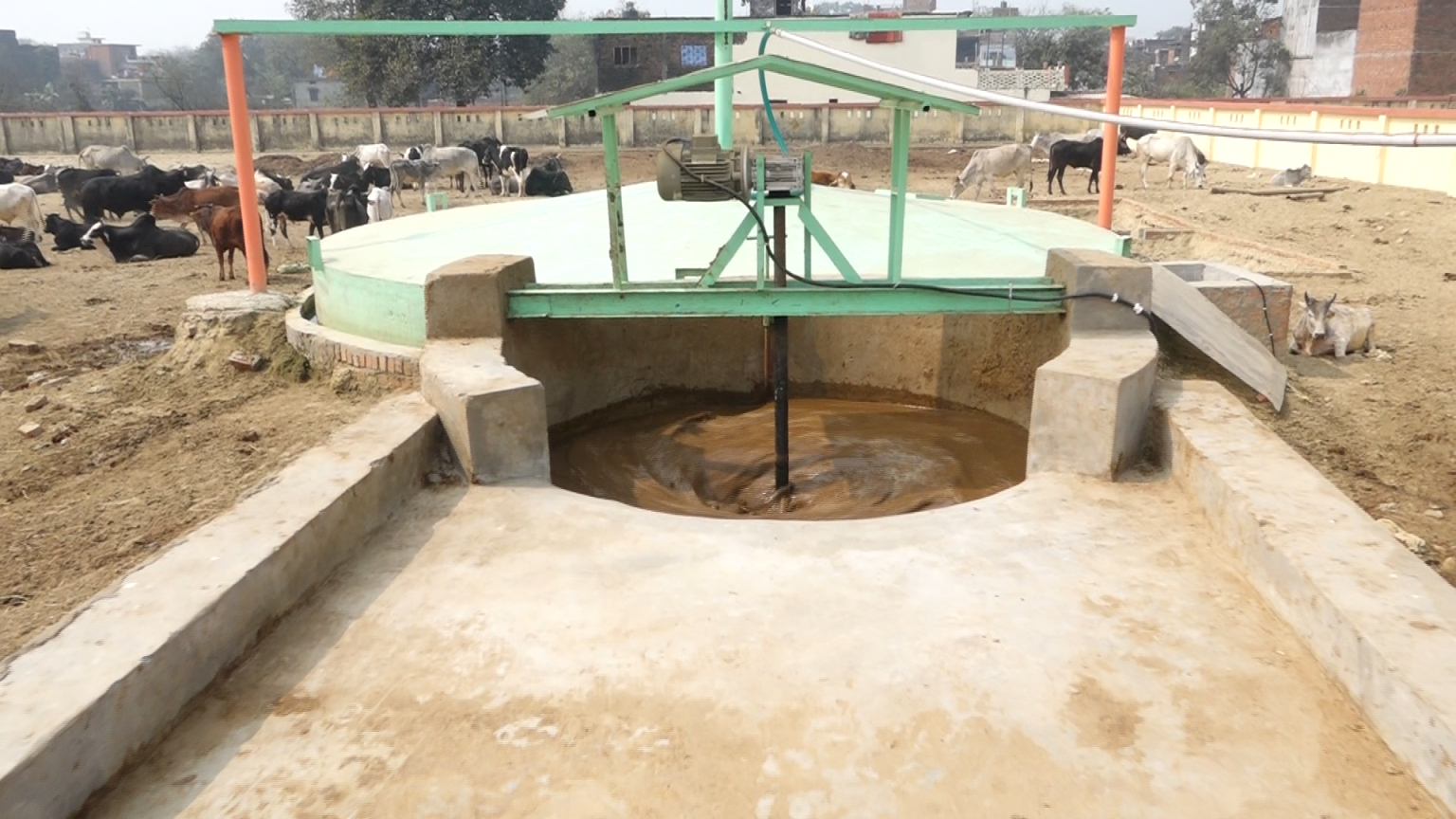
Increase your property value by up to 4% with a sustainable EVS installation.
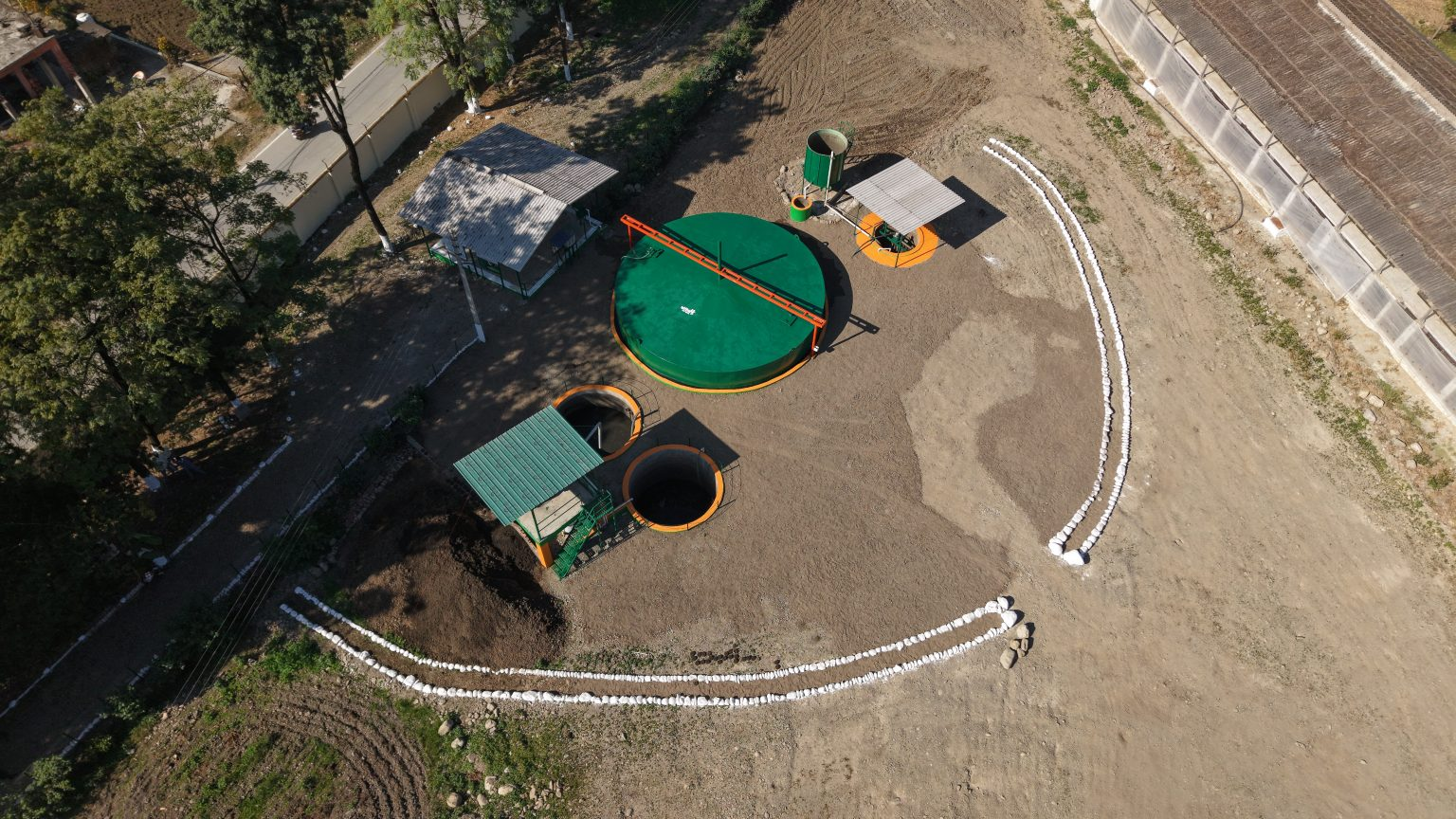
We engineered our Prefabricated Domestic Biogas Solution with a primary focus on customer convenience and safety. Our Gobar Gas Plants are manufactured with the utmost care, keeping your space constraints and economic viability in mind.
The result is a fully prefabricated, ready-to-use modular design constructed from super-strong LLDP material, ensuring a seamless, leak-proof, and durable sustainable energy experience for your home.
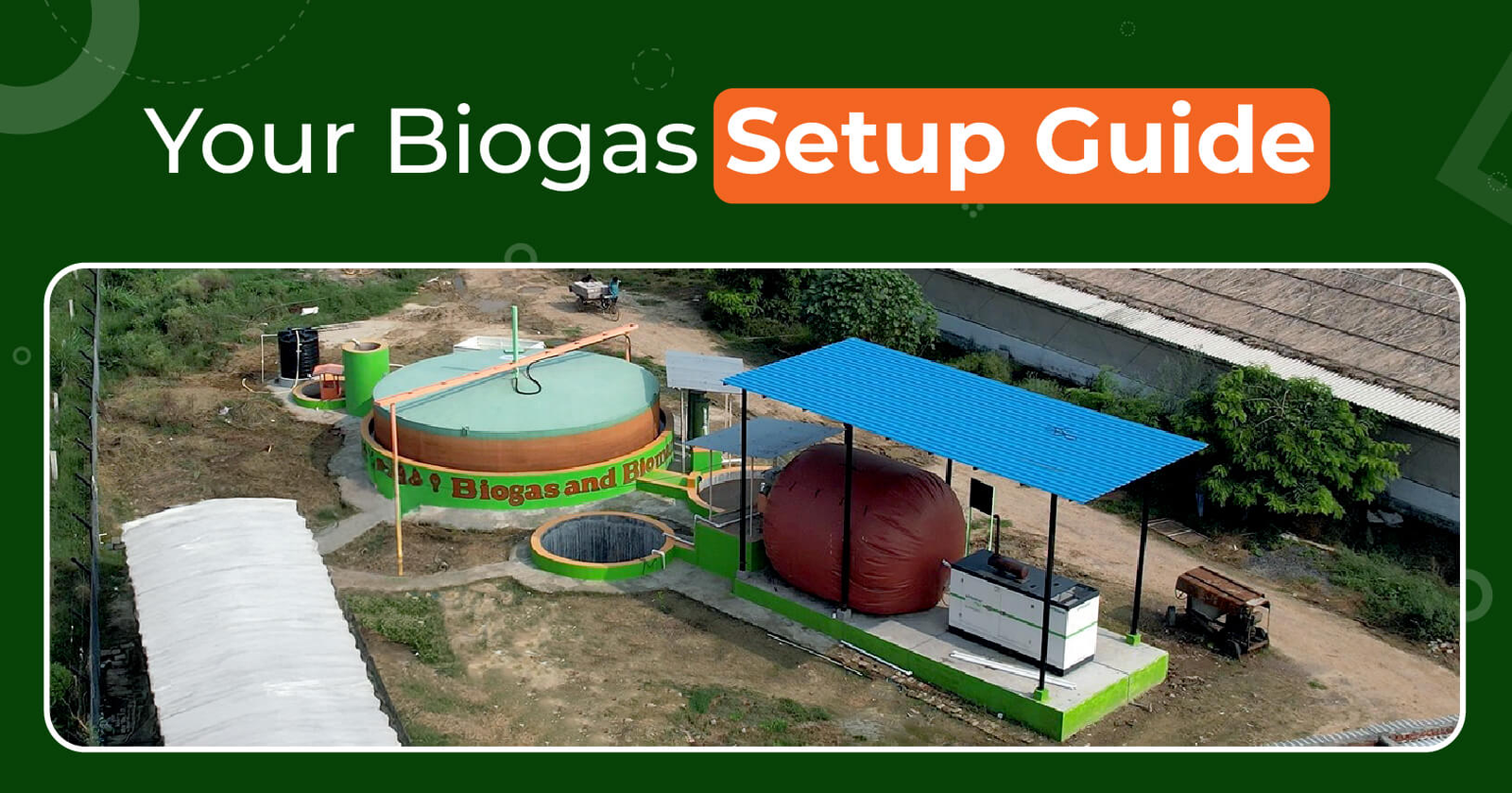
At EVS (Energia Verde Solutions), our commercial biogas plants are designed to transform organic waste into valuable energy while promoting sustainability, cost savings, and environmental responsibility.
Commercial biogas plants help businesses significantly reduce operational expenses by generating their own renewable energy. This decreases dependency on conventional fuels and ensures long-term cost efficiency.
Our biogas systems efficiently process organic waste such as food waste, agricultural residue, and animal dung, reducing landfill usage and contributing to a cleaner and greener environment.
The biogas process produces nutrient-rich slurry that can be used as high-quality organic fertilizer. This improves soil fertility, enhances crop productivity, and supports sustainable agriculture.
At EVS (Energia Verde Solutions), we follow a well-structured and efficient process to convert organic waste into clean, renewable biogas energy. Our commercial biogas systems are designed to ensure sustainable waste management while delivering reliable energy for businesses and institutions.
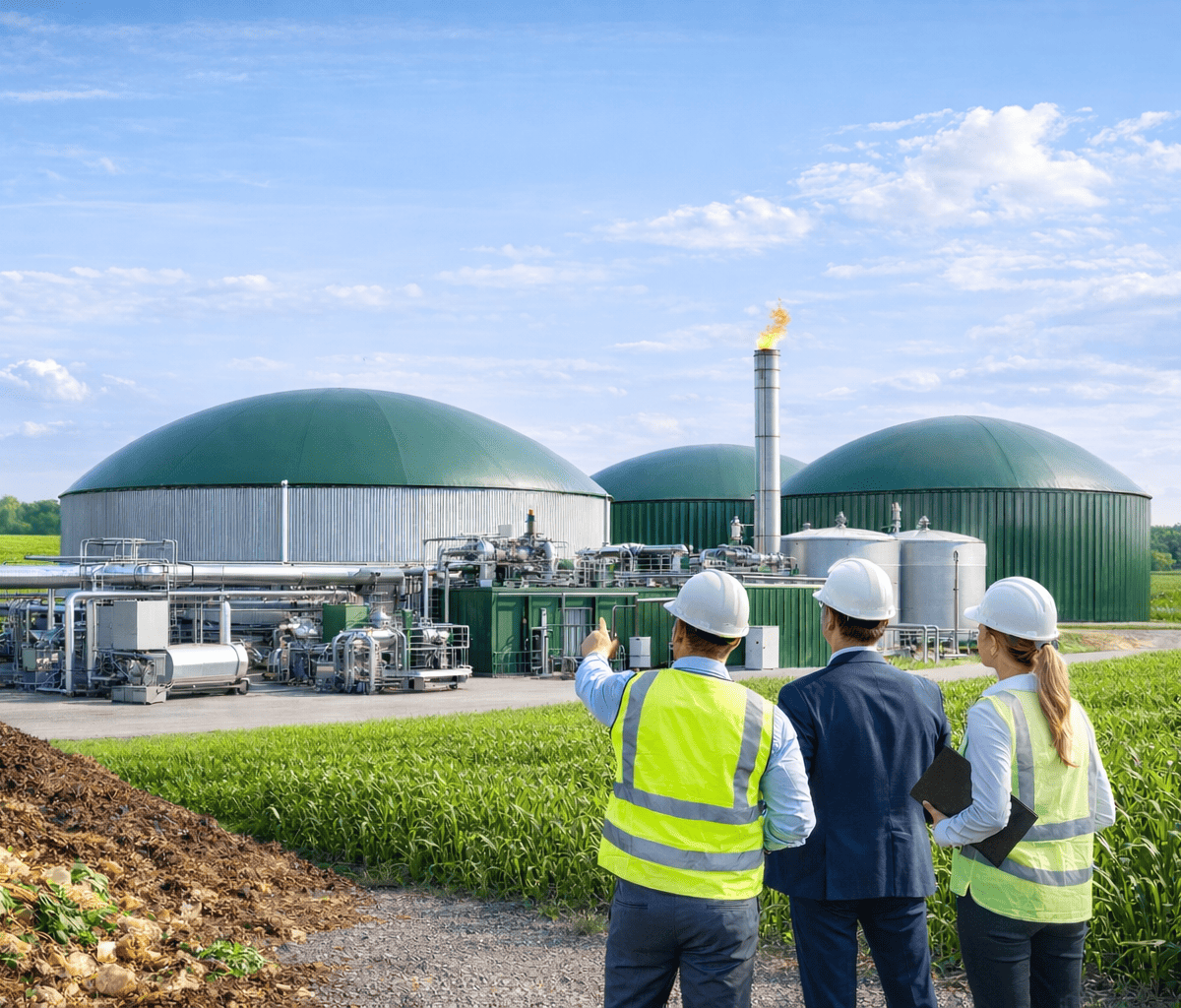
The process begins with collecting organic waste from sources such as restaurants, food processing units, farms, and industrial kitchens. This may include vegetable peels, leftover food, agricultural residues, and animal dung.
The collected organic waste is then fed into a biogas digester, a large airtight and oxygen-free chamber designed specifically for the decomposition process.
Inside the digester, microorganisms break down the organic material through an anaerobic digestion process. Over a period of around 45 days, this process generates biogas mainly composed of methane (CH₄) and carbon dioxide (CO₂).
The generated biogas rises to the top of the digester and is collected in a gas holder or storage dome. The gas may be purified and pressurized to make it suitable for various industrial applications.
The stored biogas is then used to power industrial kitchens, boilers, generators, and turbines, providing a reliable source of clean energy for cooking, heating, and electricity generation.
After digestion, the remaining material known as bio-slurry is rich in nutrients such as Nitrogen (N), Phosphorus (P), and Potassium (K). This nutrient-rich slurry is collected and used as an organic fertilizer for agriculture and landscaping.
Our commercial biogas plants are designed for continuous and efficient operation. Organic waste is regularly added, ensuring consistent biogas production while effectively managing large volumes of organic waste.
Commercial biogas plants by EVS (Energia Verde Solutions) can process various types of organic waste, including food waste from kitchens or restaurants, agricultural residues like crop leftovers, animal waste such as cow dung and poultry litter, and organic waste from food processing industries. Non-organic materials like plastics, metals, and glass should not be added as they can disrupt the biogas production process.
Biogas is produced through an anaerobic digestion process that usually takes about 45 days. The exact time may vary depending on the size of the plant, the type of organic waste used, and environmental conditions. Once the process is complete, the generated biogas can be used for energy purposes such as cooking, heating, or electricity generation.
Yes. Commercial biogas plants help support sustainability and ESG initiatives by converting organic waste into renewable energy and organic fertilizer. This process reduces carbon emissions, decreases landfill waste, and promotes environmentally responsible operations, helping businesses move toward more sustainable practices.
Yes. The biogas plant is designed for continuous operation, allowing organic waste to be added regularly. This ensures a consistent production of biogas while efficiently managing large amounts of organic waste.
You can ask anything you want to know. Feedback