The global demand for renewable and carbon-neutral energy solutions is increasing as industries actively search for cleaner alternatives to coal and other fossil fuels. Biomass pellets have become a reliable, efficient, and environmentally friendly fuel option that helps reduce emissions while supporting sustainable energy production.
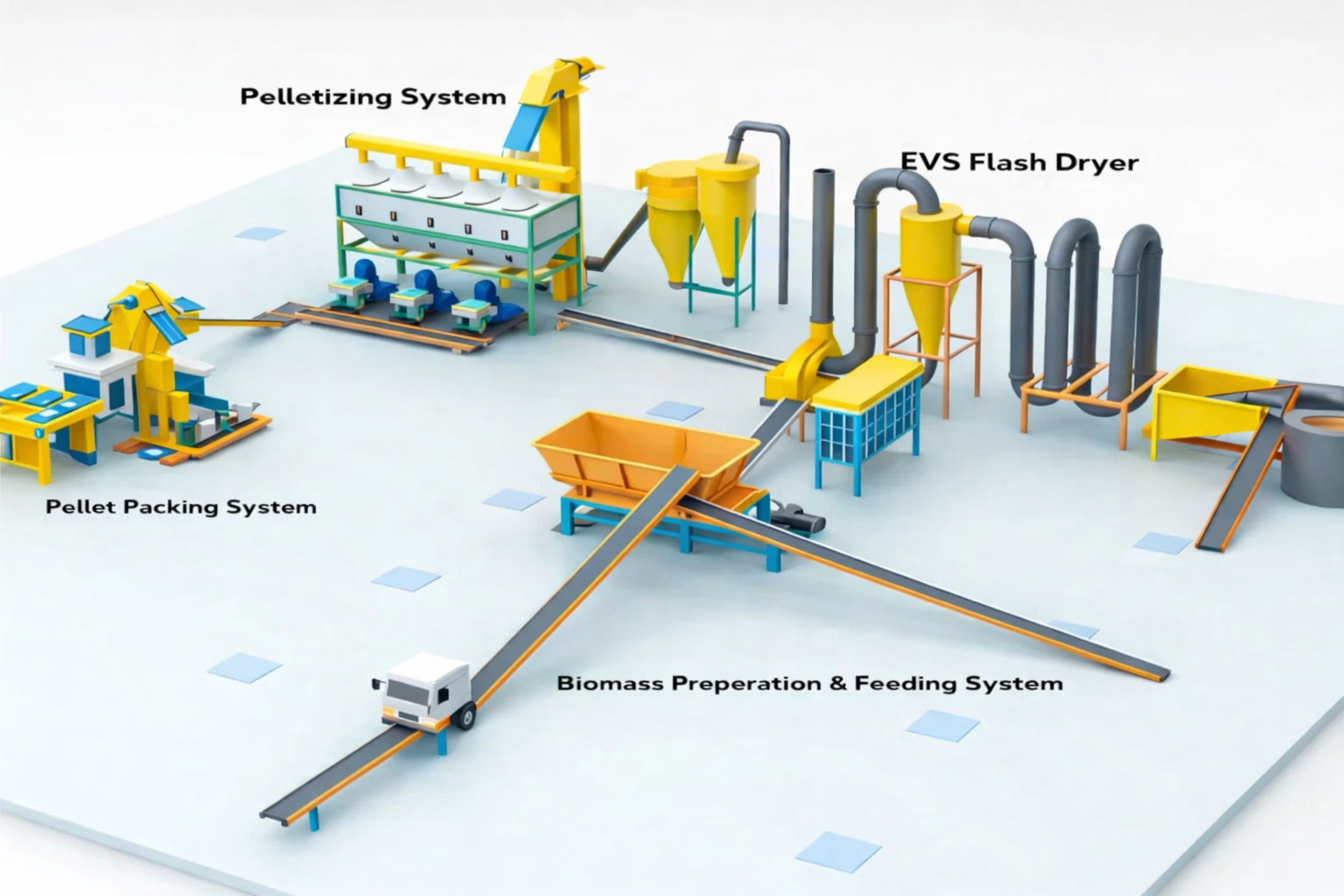
At EVS, we provide complete turnkey EPC solutions for Biomass Pelletizing Plants, helping industries convert agricultural residues, horticulture waste, forestry by-products, fermented organic manure (FOM), and various industrial biomass materials into premium-quality pellets. These pellets serve as an effective and sustainable substitute for traditional fossil fuels.
With more than 20 years of expertise and over 500 installations worldwide, EVS offers advanced biomass pelletizing technologies designed to maximize operational efficiency, sustainability, and regulatory compliance. Our systems incorporate indigenous flash drying technology to efficiently reduce moisture content and enhance pellet quality. EVS delivers end-to-end turnkey EPC solutions, ensuring smooth project execution and seamless integration with existing industrial operations—from initial planning and design to installation, commissioning, and operational support.
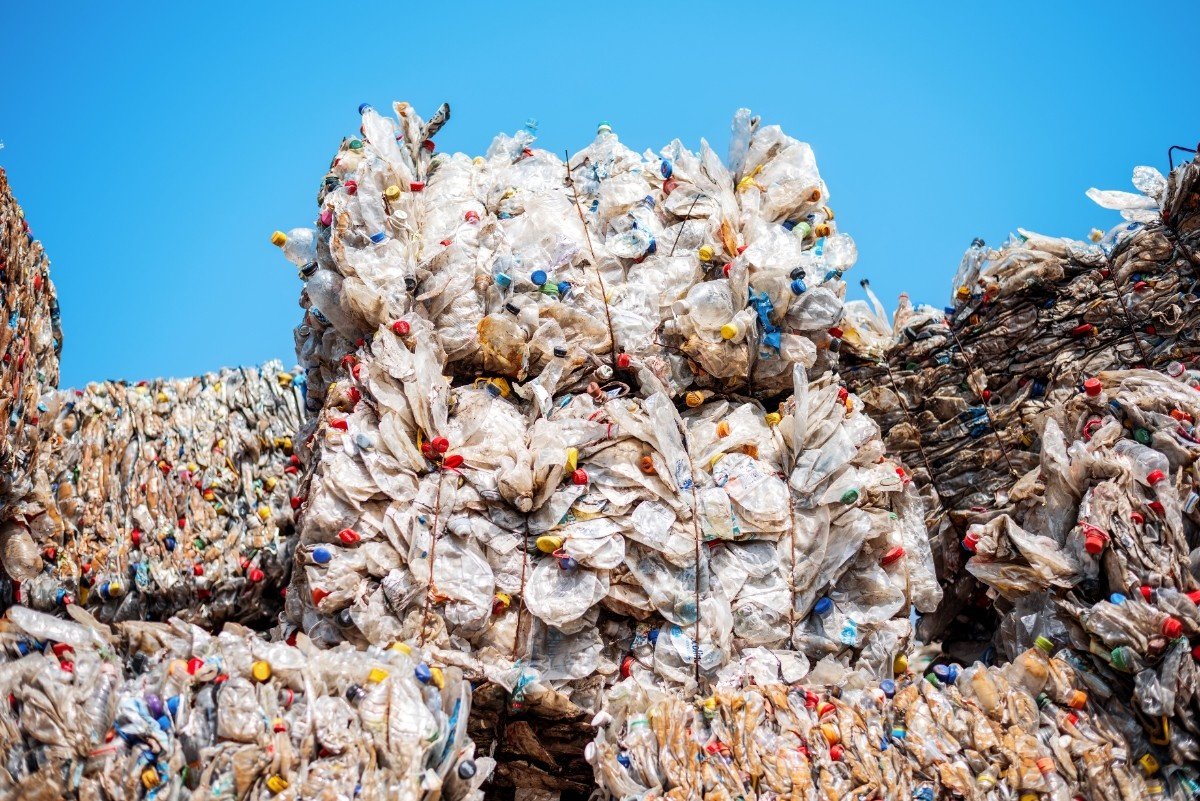
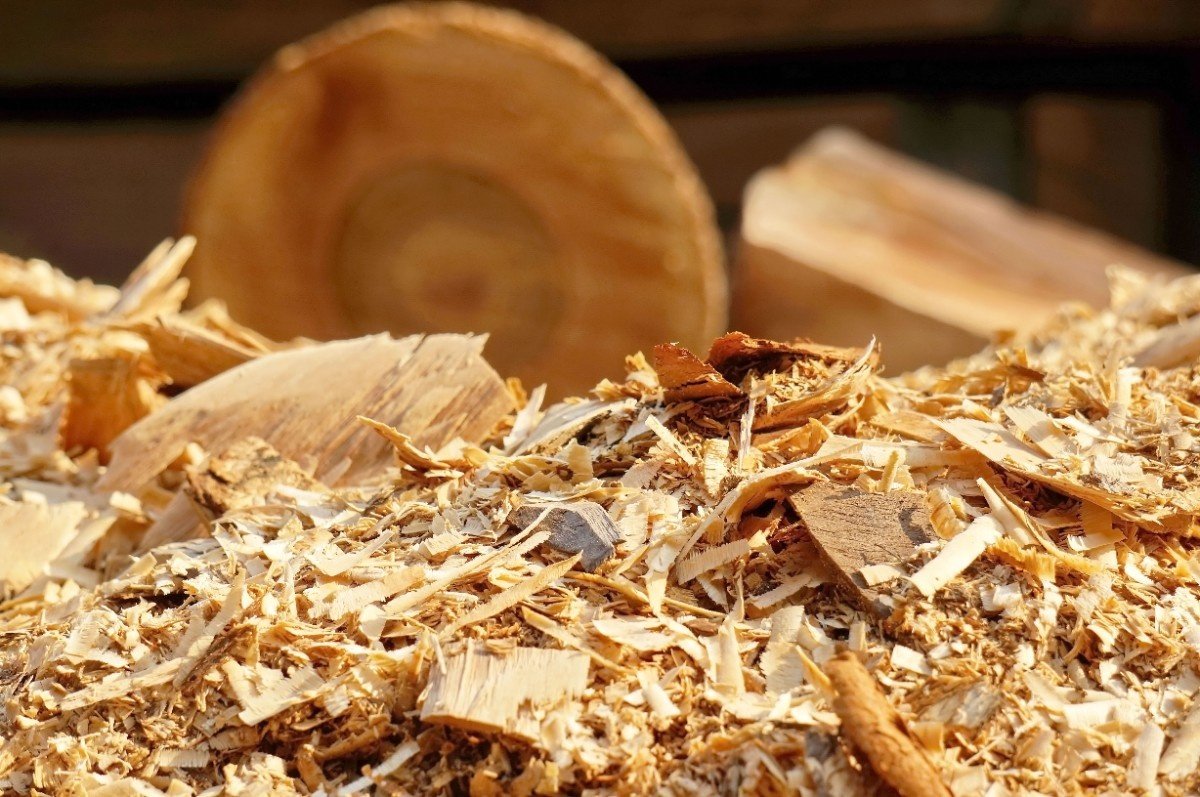
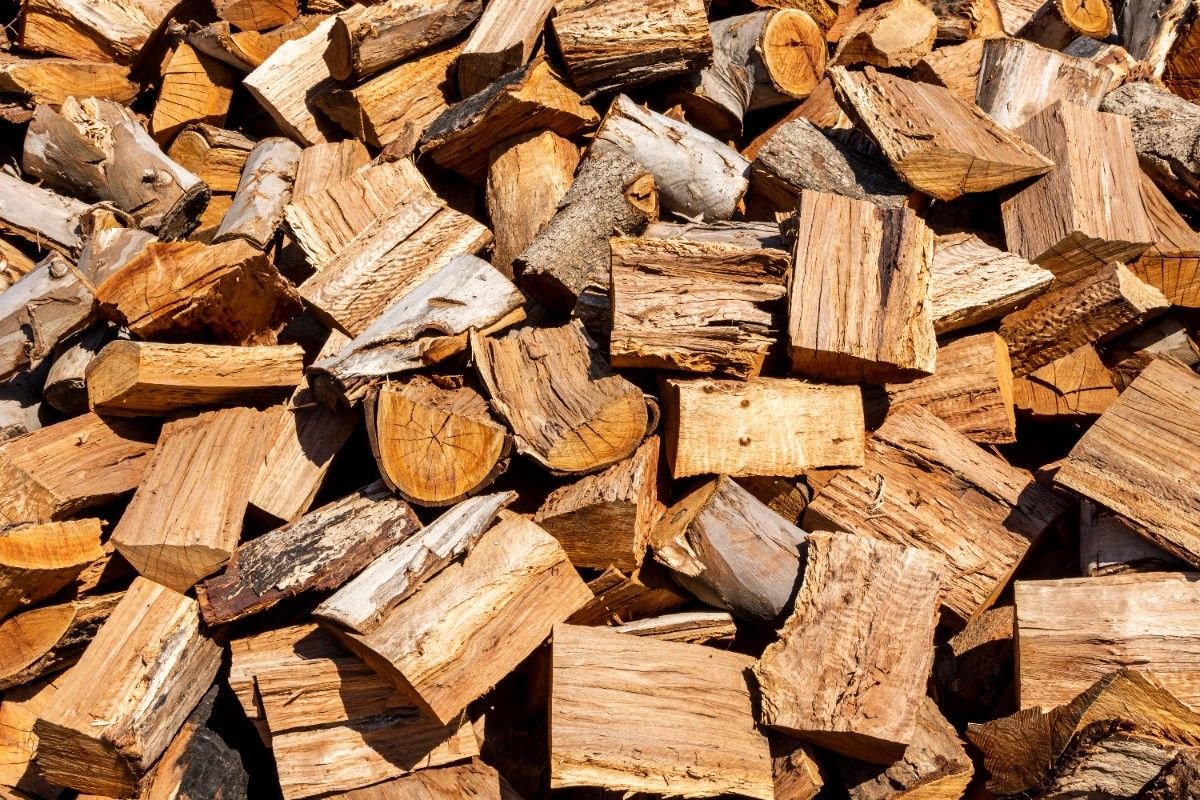
A Biomass Pelletizing Plant is an industrial facility designed to convert agricultural residues and organic biomass materials into compact biomass pellets through processes such as drying, grinding, and pellet formation. Raw materials can include agricultural waste, wood residues, sawdust, press mud, paddy straw, rice straw, RDF, plastic waste, bagasse, and other biomass resources. The produced biomass pellets are widely used as a renewable fuel in power plants, industrial boilers, and heating systems, providing an efficient and eco-friendly alternative to coal and other fossil fuels.
At EVS, our advanced anaerobic digesters are engineered for maximum versatility. Our CBG plants efficiently process a vast array of organic waste streams, transforming everyday residue into high-yield, premium compressed biogas.



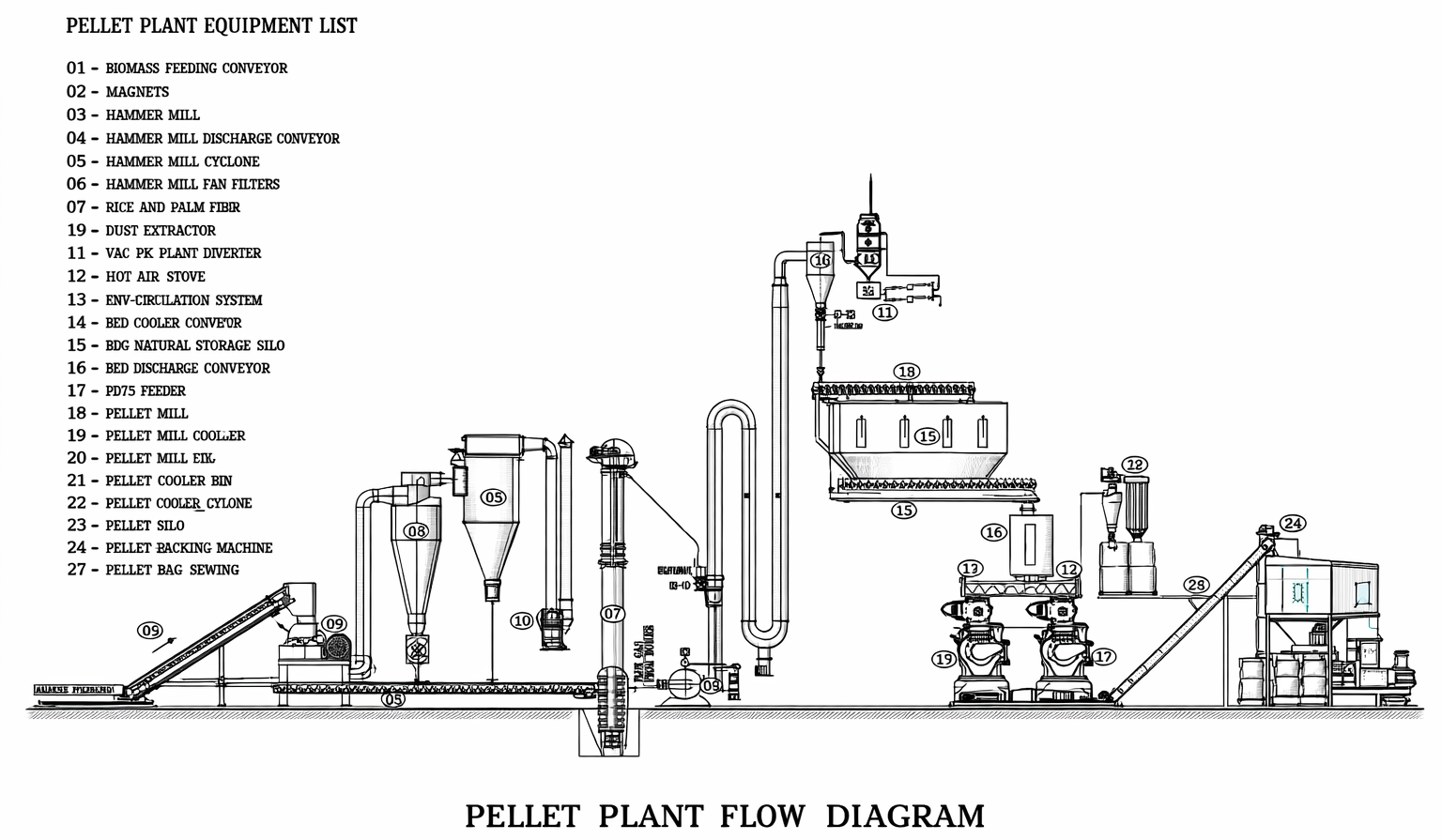
EVS delivers comprehensive Engineering, Procurement, and Construction (EPC) services, guaranteeing the flawless execution of biomass pelletizing facilities from initial blueprinting to final commissioning. Our core services include:
Tailor-made facility blueprints optimized for your specific production capacity and raw material inputs, utilizing elite pellet mill technologies for maximum output efficiency.
Advanced raw material sizing (chipping and hammer milling) and automated feeding systems. We utilize indigenous Flash Dryers to expertly regulate biomass moisture using thermal flue gas or electric heating.
Deployment of high-pressure compression systems (horizontal and vertical die configurations) to forge ultra-durable biomass pellets. Includes state-of-the-art cooling and screening mechanisms for uniform density.
Integration of fully automated bagging systems ready for bulk or retail distribution, alongside climate-controlled storage infrastructure to preserve pellet integrity and moisture levels.
As global industries pivot toward sustainable energy paradigms to meet stringent environmental regulations, biomass pellet plants stand at the vanguard of this green transition, actively driving global decarbonization efforts.
Our advanced systems can process a vast array of biomass, including agricultural residues (like paddy and rice straw), wood chips, sawdust, sugarcane bagasse, press mud, fermented organic manure, plastic waste, and diverse horticulture streams.
Switching to biomass significantly lowers operational fuel expenses, slashes transportation logistics costs, drastically mitigates greenhouse gas emissions, and ensures strict compliance with emerging global green energy mandates.
Premium biomass pellets yield a highly efficient calorific value ranging from 3,800 to 4,500 kcal/kg, establishing them as a formidable, high-energy alternative to traditional fossil fuels.
Investment scales based on your desired production capacity, localized feedstock availability, and chosen level of operational automation. EVS guarantees highly cost-effective, tailor-made EPC blueprints designed to maximize your ROI.
Driven by escalating coal prices, aggressive global decarbonization goals, and tightening environmental legislation, biomass pelletization is the most secure, sustainable, and economically viable energy transition strategy available today.