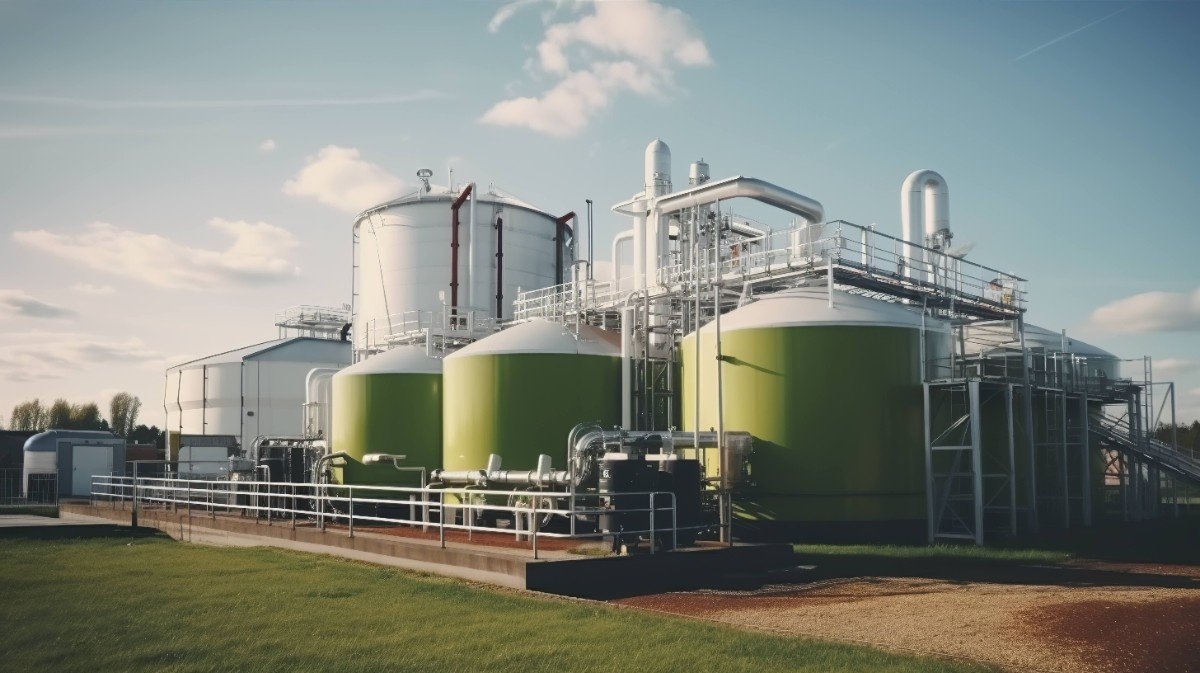
An eco-friendly alternative to conventional fossil fuels, offering high efficiency and reduced emissions while converting organic waste into a dependable and sustainable energy source.
Our CBG Plant is a renewable, eco-friendly fuel produced by further processing biogas derived from organic waste, agricultural waste, and cow dung, as well as poultry litter.
The Compressed Biogas (CBG) procedure involves biogas undergoing purification and compression, resulting in a high-quality, methane-rich gas that can be used as a substitute for natural gas (CNG), LPG, or diesel in industrial, commercial, and transportation applications.
5 Operational Compressed Biogas Applications are as follows
Farmers can use CBG for irrigation pump sets, tractors (dual-fuel models), and rural micro-grids, promoting energy independence in villages.
Industries such as food processing, ceramics, textiles, and pharmaceuticals use CBG in boilers and furnaces as a cleaner, cost-effective alternative to LPG or diesel.
CBG efficiently runs gas engines to generate reliable electricity, making it ideal for commercial units, industrial operations, and rural energy applications.
Hotels, restaurants, canteens, and large kitchens can use CBG in place of LPG, reducing cost and dependence on fossil fuels.
CBG can directly power CNG vehicles, cars, autos, buses, and trucks, offering a cleaner, renewable fuel choice with significantly lower emissions.
We use non-cryogenic gas separation technology, employing high pressure to separate gases and employing a hybrid approach that alternates between pressure and vacuum to regenerate the adsorbent material.
Before using the VPSA Method, the raw Biogas is again treated to remove moisture (H2O) & sulphur compounds, such as hydrogen sulfide (H2S), which can irreversibly damage the adsorbent material. These materials can corrode equipment and permanently damage the adsorbent, making this purification step essential & efficient for the operation.
To maintain a steady, reliable supply of purified gas, commercial VPSA systems operate with at least 2 adsorption towers. While one tower actively adsorbs impurities from the biogas, the second tower undergoes regeneration, ensuring smooth, uninterrupted gas production.
Another method we use is Water Scrubbing, where pressurized water separates impurities like CO2 and H2S from CH4. A bedding system inside the column increases gas-water contact, allowing soluble gases to dissolve, while CH4 remains mostly unaffected. H2S is highly soluble, CO2 moderately soluble, and CH4 minimally soluble. Below is the procedure:
The Raw Biogas enters from the bottom of a tall tank, also known as a Water Scrubber. It is pretreated to remove moisture and dust particles. The gas is then compressed to improve absorption efficiency. It enters from the bottom of the tall scrubber column.
The water flows down as it is sprayed from the top of the tank. The water flows downward through the packed column by gravity. This creates a counter-current flow with rising gas. The design ensures uniform distribution and better purification.
As the Biogas level rises, the water level falls; the two are mixed. The gas rises, and water falls; intense mixing takes place. Thin water films are formed over packing surfaces. This improves mass transfer and absorption efficiency.
Carbon Dioxide (CO2) & Hydrogen Sulfide (H2S) dissolve readily in water, while methane gas does not, so it stays. Thus, methane concentration increases naturally, separating it from other gases.
The processed biogas is purified, methane-rich biogas that comes out of the Top. The gas is further dried to reduce the moisture content. Purity typically reaches 90-97% methane.
The tank drains unused water with CO2 and H2S, which can then be treated further or recycled. The treated water is collected in a regeneration tank. It is then recirculated back to the scrubber system.
5 Operational Project For compressed biogas
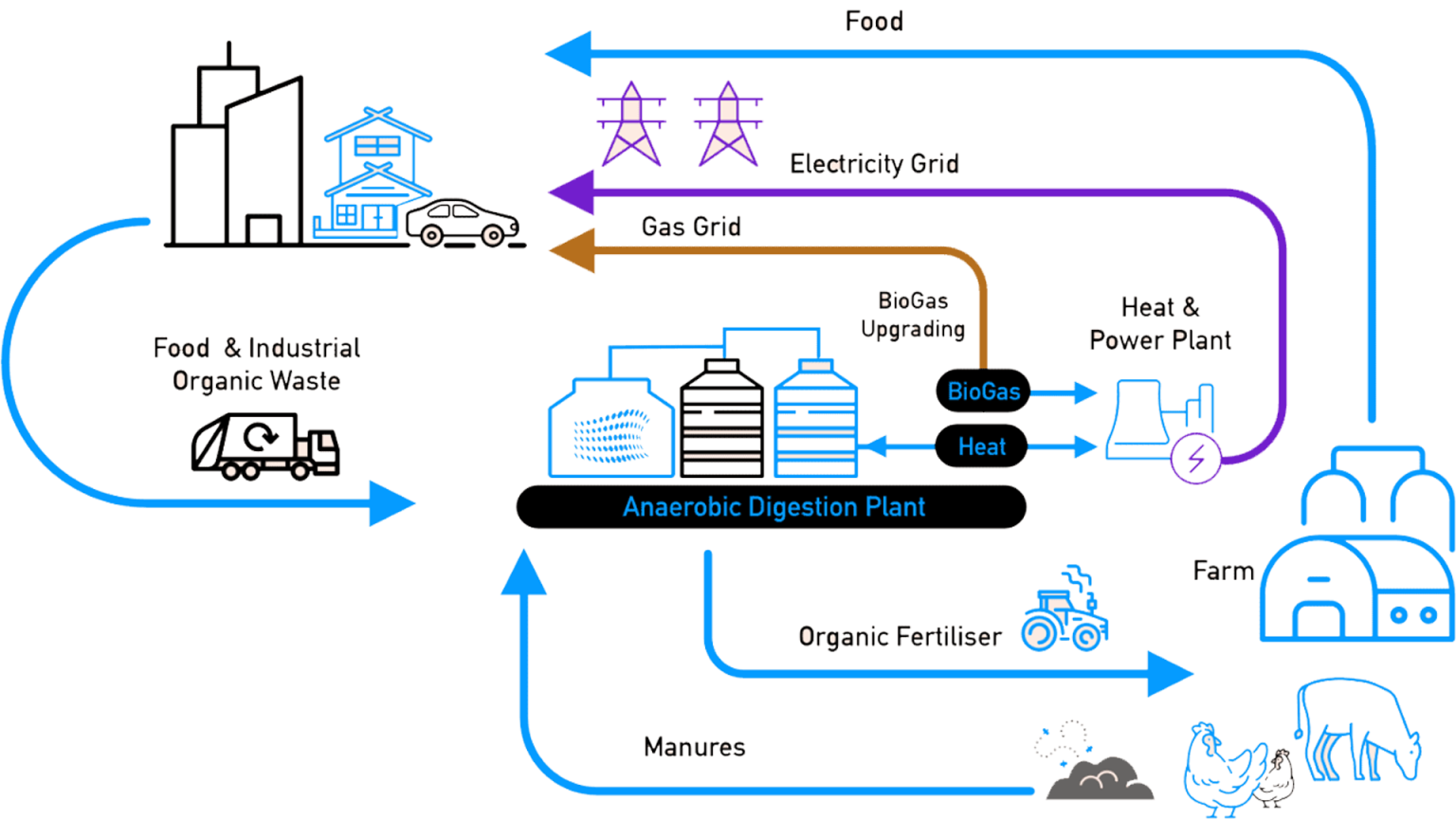
Bagasse, the fibrous byproduct remaining after sugarcane juice extraction, is a highly effective raw material for generating biogas and Compressed Biogas (CBG). Thanks to its rich cellulose and hemicellulose makeup, it breaks down efficiently during anaerobic digestion after proper pre-treatment.
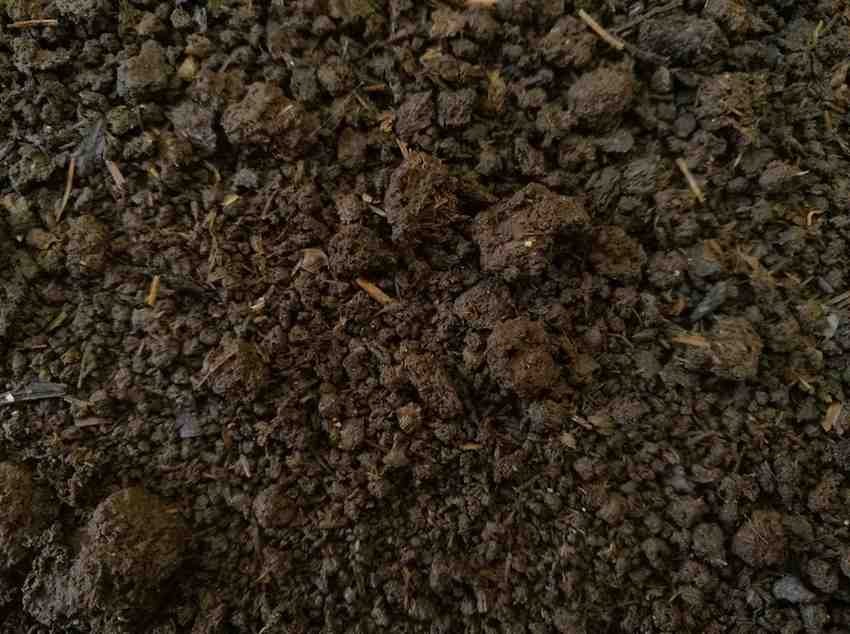
This allows sugar refineries to transform excess bagasse into valuable renewable energy rather than resorting to wasteful burning or disposal. Furthermore, this process produces a nutrient-dense organic digestate that enhances soil health and lowers reliance on synthetic fertilizers. Ultimately, utilizing bagasse for CBG empowers the sugar industry to minimize waste, lower carbon emissions, and drive sustainable operations.
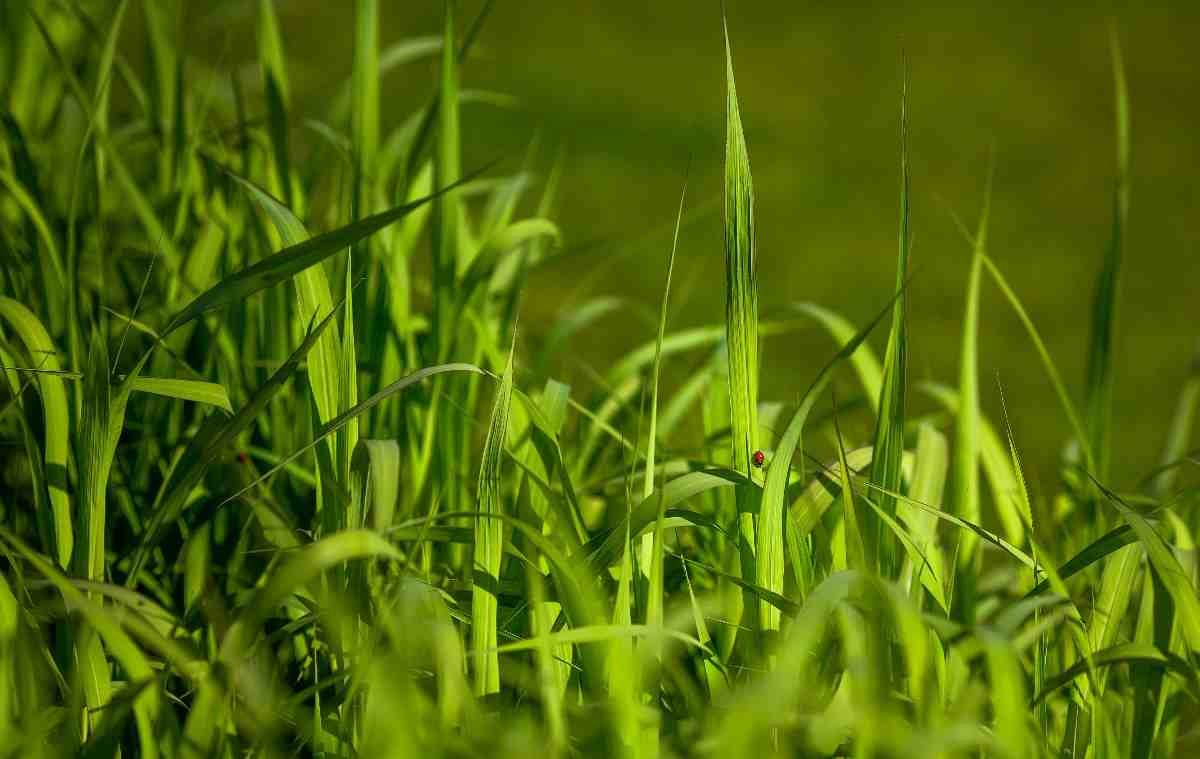
Napier grass stands out as a premier energy crop for biogas facilities due to its rapid growth across expansive lands and straightforward harvesting process. This robust tropical plant shows remarkable resilience, thriving even in arid, drought-prone climates. Delivering extraordinary biomass outputs and high biomethane generation capabilities, Napier grass (Pennisetum purpureum) serves as a critical renewable resource.
Its excellent organic composition—featuring roughly 30.9% carbohydrates, 27% protein, 14.8% lipids, 18.2% ash, and 9.1% fibre—makes it an optimal feedstock. Capable of yielding between 100 to 180 tons per acre each year based on the specific variety, it provides farmers with a highly reliable and sustainable revenue stream.
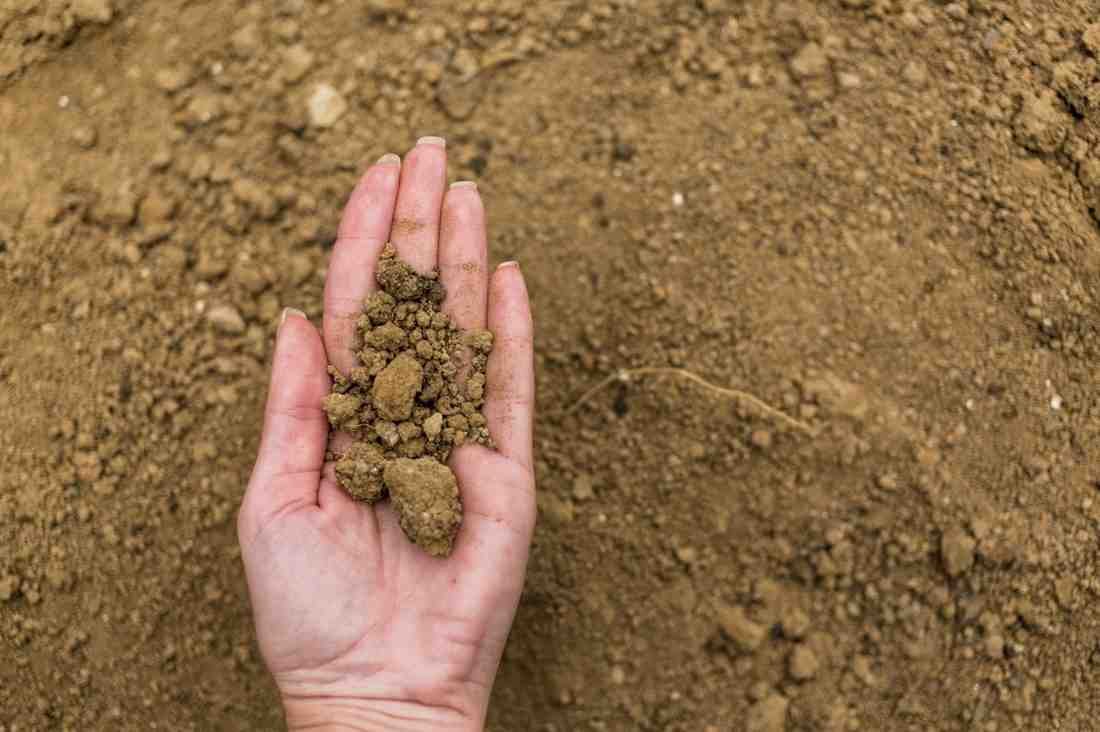
Press mud, a crucial residual byproduct from sugarcane mills, is rapidly gaining traction as a premium feedstock for Compressed Biogas (CBG) production. This organic material presents sugar processing facilities across India with a lucrative opportunity to generate supplementary revenue through anaerobic digestion.
Beyond producing clean energy, the bio-methanation of press mud yields a highly nutritious organic fertilizer that enriches soil health. This ensures farmers and agricultural partners linked to sugar mills have year-round access to high-quality, sustainable manure.
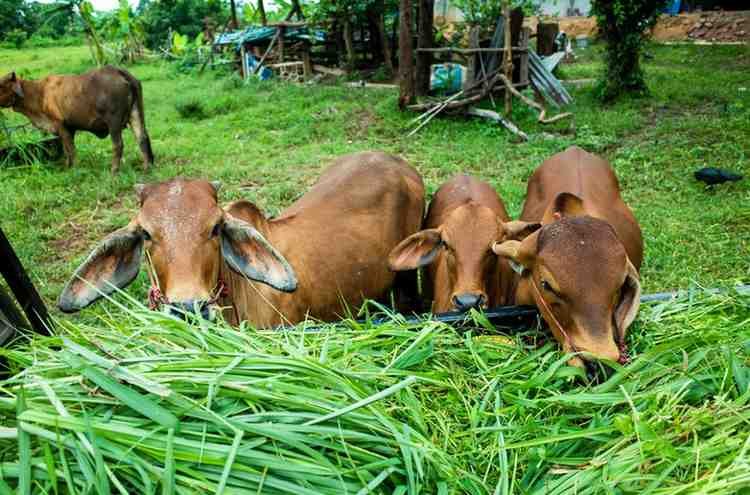
Renowned for its consistent availability and perfectly balanced organic profile, cow dung remains one of the most dependable and widely utilized feedstocks for biogas generation. Processing this abundant resource in anaerobic digesters guarantees a steady output of high-purity cooking gas alongside an exceptional organic digestate.
Its ease of handling, year-round accessibility, and impressive biomethane potential make it an indispensable asset. Rural households, dairy farms, and commercial Gaushalas benefit immensely from transforming this everyday waste into a sustainable energy powerhouse.
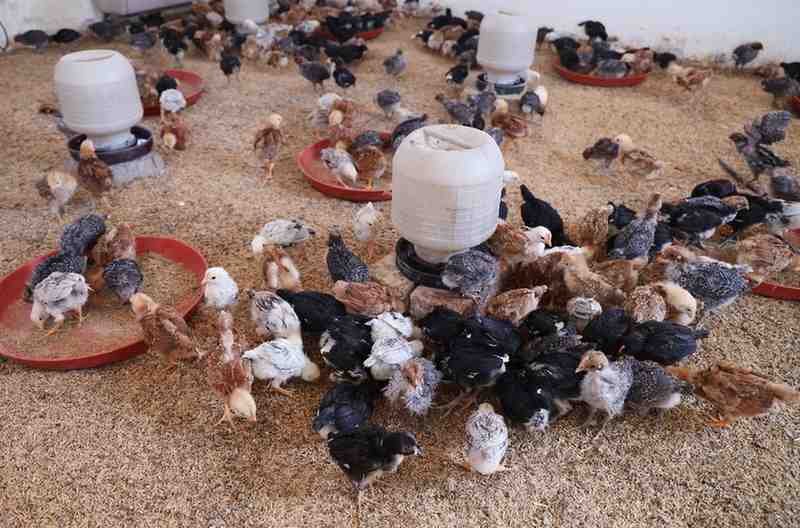
Comprising droppings, spilled feed, and bedding materials, poultry litter is an exceptionally energy-dense substrate perfectly suited for biogas and CBG production. Its naturally high nitrogen and organic matter content guarantees a robust and efficient biomethane yield.
By utilizing anaerobic digestion, poultry operations can effectively eliminate severe odor issues, solve complex waste management challenges, and transform a costly disposal problem into a highly profitable, eco-friendly energy solution paired with top-tier fertilizer.
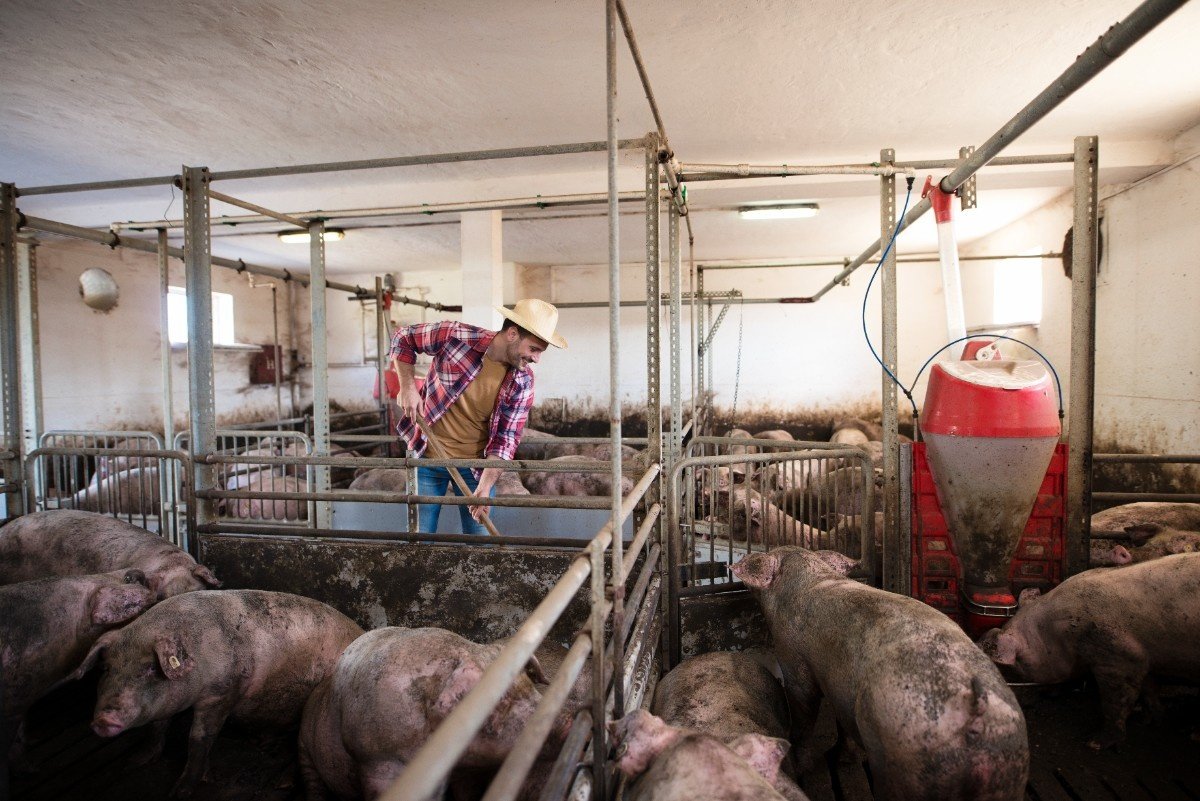
Piggery waste is highly regarded in the renewable energy sector for its exceptional methane generation potential and steady supply. Pig farming operations naturally produce substantial volumes of biodegradable matter, which responds phenomenally well to anaerobic digestion processes.
Converting this waste into raw biogas—and subsequently upgrading it to CBG—provides dual benefits. It safely resolves stringent environmental and waste disposal hurdles while providing farmers with massive energy savings, additional revenue generation, and a potent organic manure byproduct.