Biogas is a methane-rich gas created through the anaerobic digestion of organic matter. It is typically composed of around 50-70% methane, along with carbon dioxide (CO2) and includes trace amounts of other gases, such as hydrogen sulphide (H2S), and ammonia (NH3).
Biogas serves as a valuable source of clean, renewable energy that can be used for many different purposes, including cooking, electricity, heat production, and even as a vehicular fuel. Its production not only provides an eco-friendly alternative to fossil fuels but also aids in the effective management of organic waste materials, contributing to waste-to-energy and environmental sustainability objectives.
The use of biogas promotes energy independence, rural development, and job creation while enhancing soil fertility through organic fertilizer production. In an era of climate change, it has emerged as a crucial clean energy solution to harness for a greener, more sustainable future.
Discover Our SolutionsThe biogas production process involves a series of well-coordinated steps to harness renewable energy from organic waste materials. This technical process is critical for biogas producers looking to optimize gas yield and manage waste efficiently.
The first step is to gather organic matter such as agricultural crop residues, livestock manure and food waste to prepare a substrate from which biogas is produced.
Next, the different kinds of organic waste is chopped and blended to create a homogenous substrate that has a balanced nutrient composition and stable pH levels.
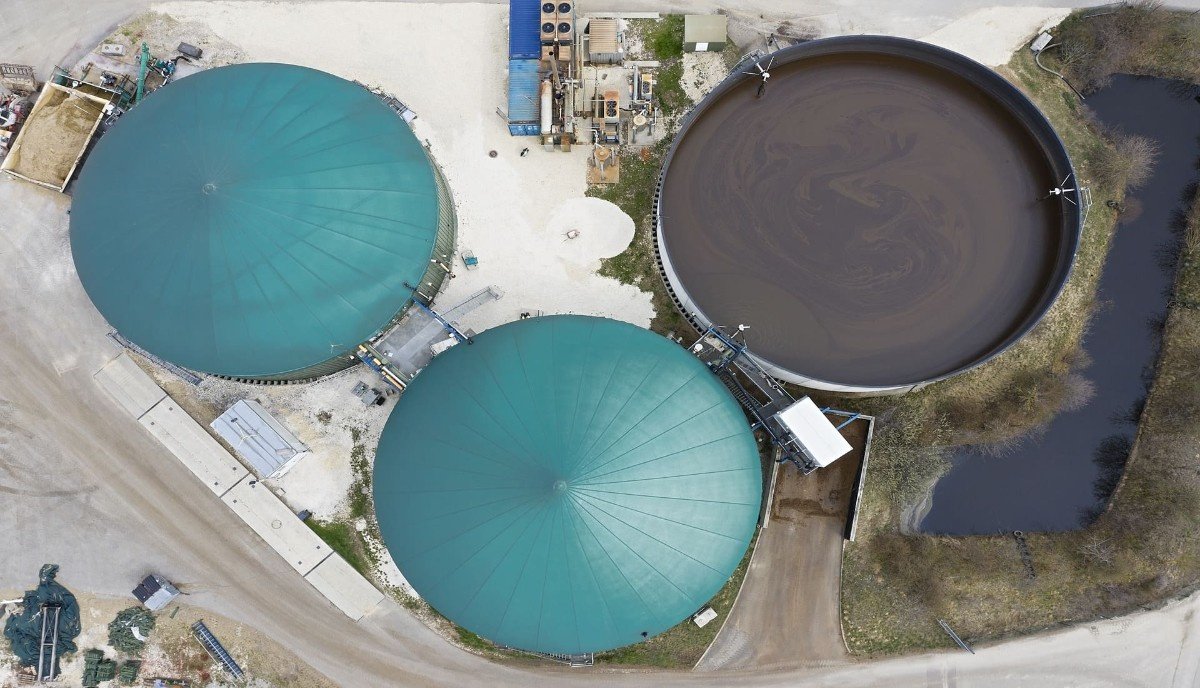
The prepared substrate is then placed into large, sealed tanks or anaerobic digestors. The digester's temperature is typically maintained at 35-40°C to optimize bacterial activity.
In the absence of oxygen, anaerobic bacteria break down organic matter, producing biogas as a byproduct. Depending on its application, biogas is then treated and refined.
Biogas produced during anaerobic digestion is collected and stored in specialized gas storage tanks and is used for various purposes. Great care is taken to avoid gas leaks.
The residue from the digester, called digestate, is collected and used as a fertilizer. Given that it is nutrient-rich, it is typically used to enhance soil fertility and crop yields.
A sustainable and environmentally friendly energy source, biogas offers a range of benefits including:
Anaerobic digestion, the process used to produce biogas, helps reduce greenhouse gases like methane which is 21 times worse than CO2.
Biogas is a sustainable source of energy that reduces dependence on depleting fossil fuels. It offers a cost-effective solution that helps alleviate energy poverty.
Biogas production provides a scientific way to manage organic waste and reduce landfill impact. It reduces odour and pathogens, making it environmentally friendly.
The digestate (residue from biogas production) is rich in nutrients. It can be used as an organic fertilizer to improve soil quality and reduce dependence on synthetic fertilizers.
Biogas production benefits rural communities by providing a decentralized source of clean energy, supporting agricultural practices, and creating jobs.
Biogas can be produced during the treatment of sewage and industrial wastewater, providing both energy and a means of treating contaminated water efficiently.